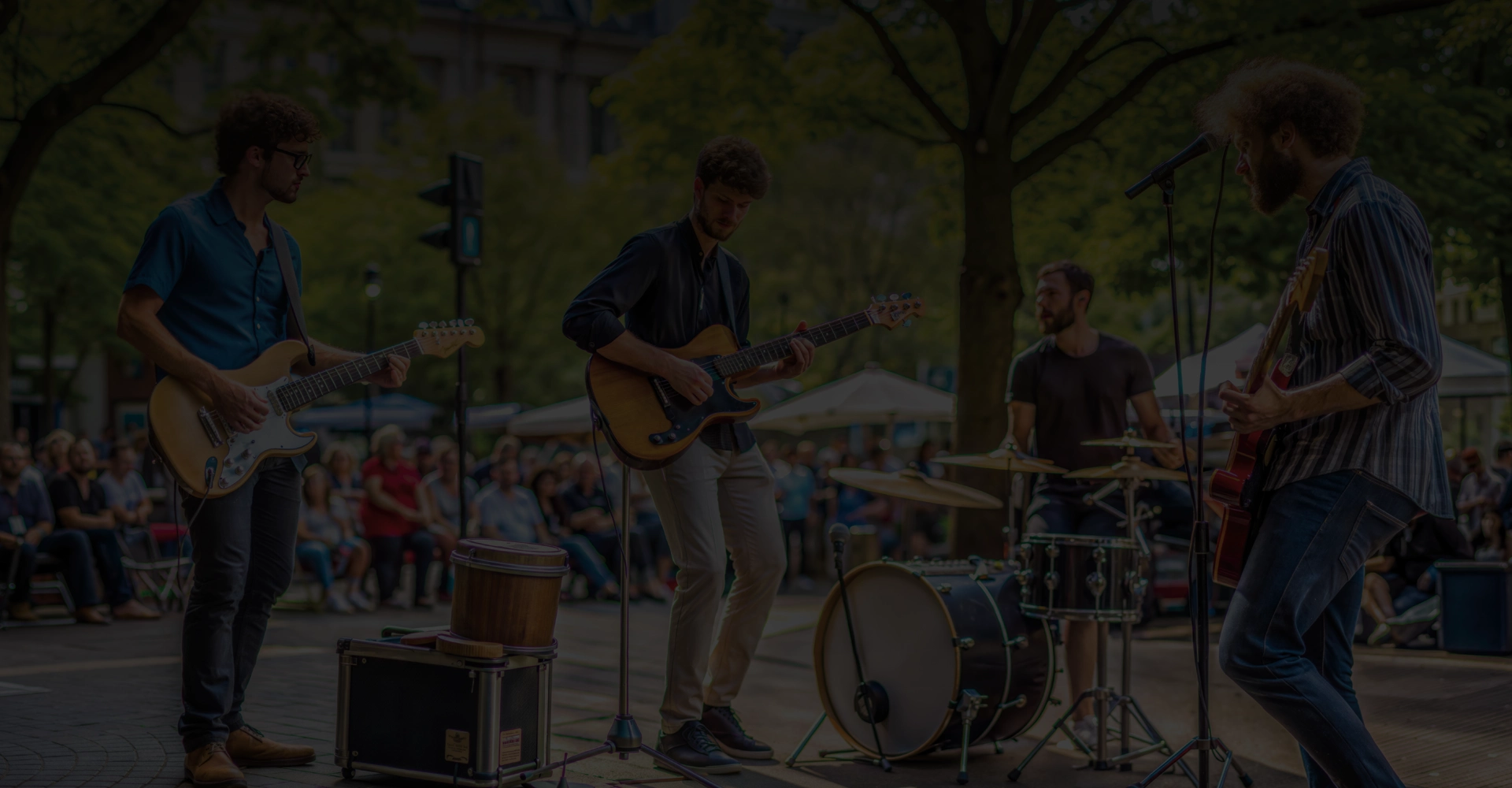
Learn and practice music at any skill level
Music acts as a medium for artistic expression and cultural heritage. Mastering the art involves combining music theory, instrumental technique, and creative audio production for a complete sonic experience.
Composing and producing music
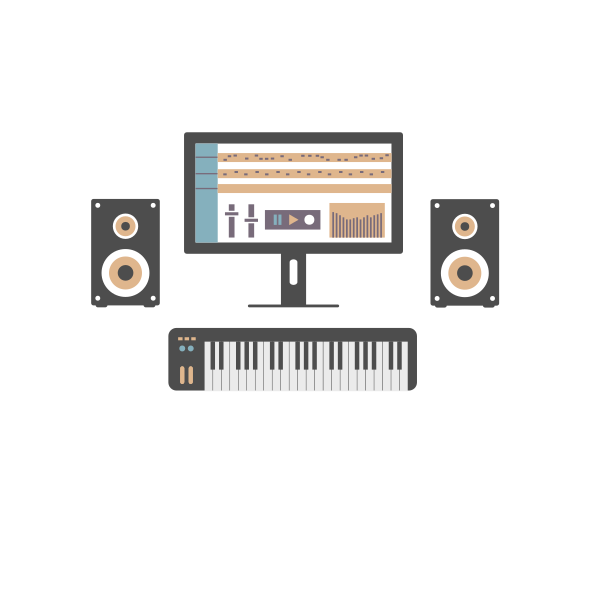
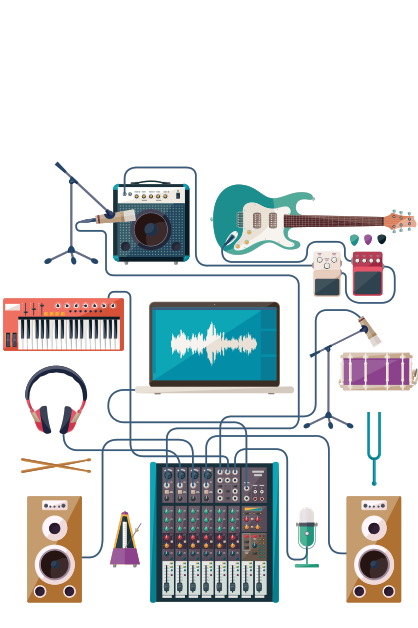
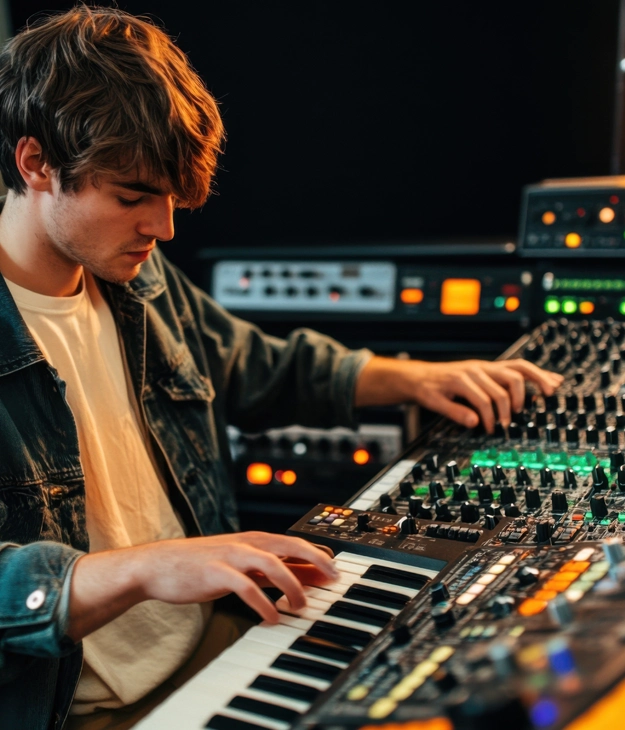
Songwriting and audio production blend creativity with technology. The process involves arranging melodies, sound design, and structuring tracks for a professional mix. Digital Audio Workstations allow users to record and master each creation to professional quality. Collaborating with session musicians or studying diverse genres enriches compositions and opens up new perspectives. Each step contributes to developing a unique sonic identity and distributing music to the public.
Sight-reading and music theory
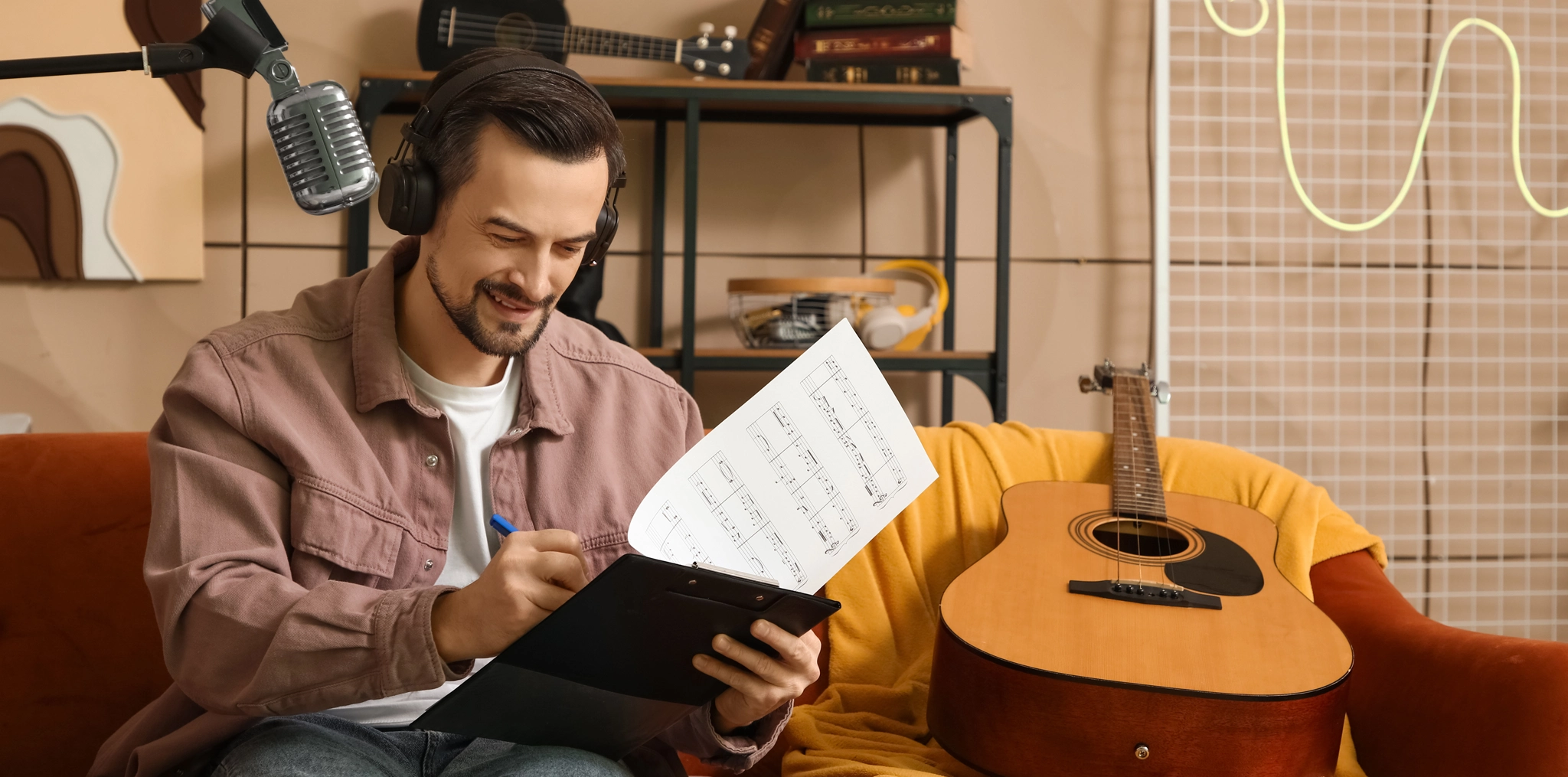
Mastering solfège and the basics of harmony allows musicians to read scores and interpret pieces accurately.
Daily instrumental practice
Daily exercises on an instrument build technique, finger coordination, and performance confidence.
Ear training and analysis
Analyzing diverse genres sharpens the musical ear, enriches performance nuances, and stimulates artistic creativity.
Mastering technique and expression
To progress effectively, combine disciplined drills and creative expression. Consistent training helps master scales, improve timing and precision, while developing a personal tone. Critical study of repertoire enriches musical sensitivity, while solo improvisation stimulates melodic originality. Playing in ensembles also promotes adaptation and group coordination, providing a more complete and immersive performance experience.
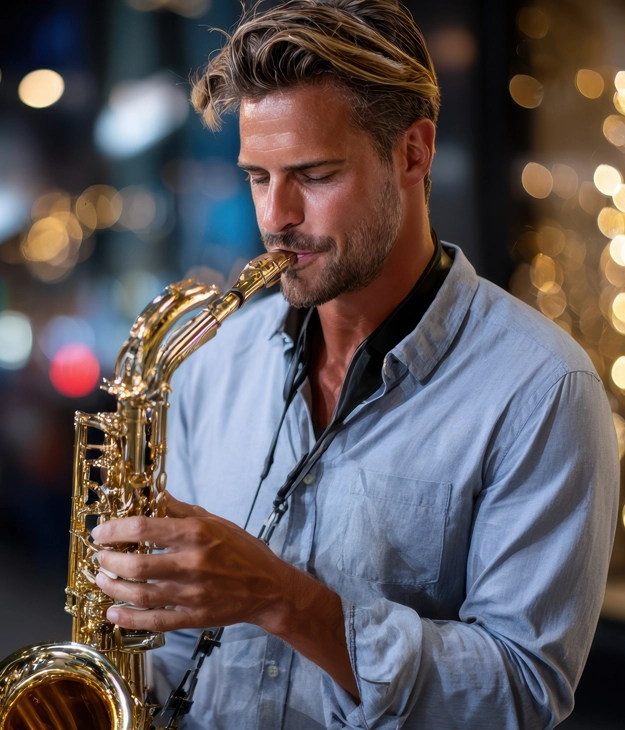
Controlling airflow to shape melodies
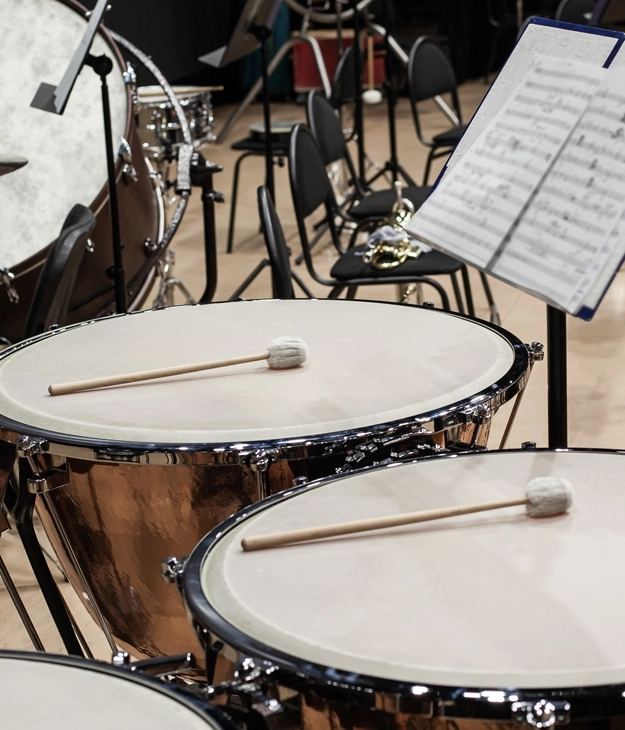
Music for children: sparking talent and creativity
Introducing pedagogy from an early age stimulates creativity and cognitive skills. Playful activities, such as singing, clapping, and educational games, promote sensory growth and language development. Discovering starter instruments and experimentation encourage personal expression and self-confidence. By practicing in ensembles, children learn coordination and social skills, while sharing moments of fun and connection. These experiences nurture talent and create a lasting connection with musical arts.
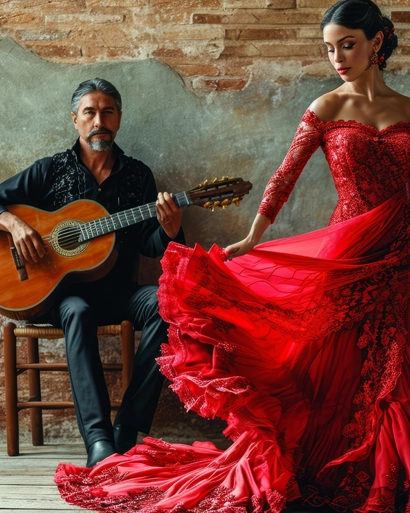
Flamenco (Spain)
A passionate style deeply rooted in Spanish culture, combining classical guitar, cante, and dance.
The beating heart of Brazil
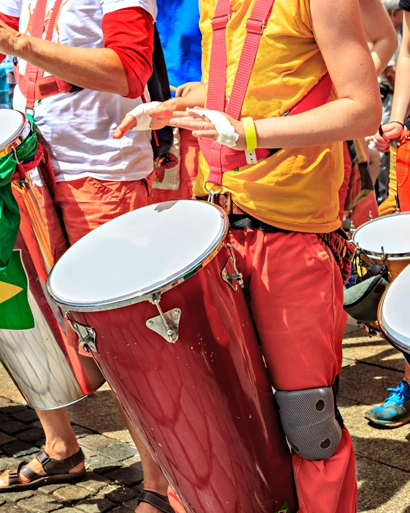
Samba (Brazil)
Festive percussive music, emblematic of Rio carnival, reflecting historic Afro-Brazilian traditions.
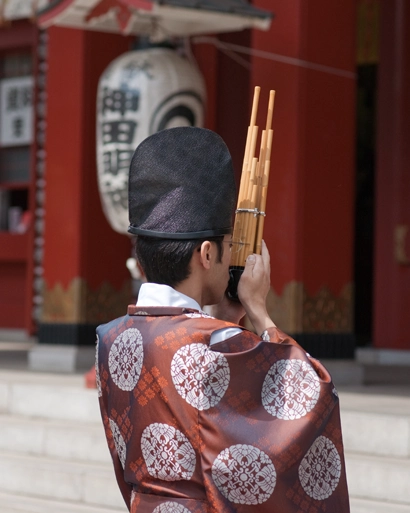
Imperial Music of Japan
Gagaku (Japan)
Traditional court music performed with ancient instruments such as the shō mouth organ and hichiriki.
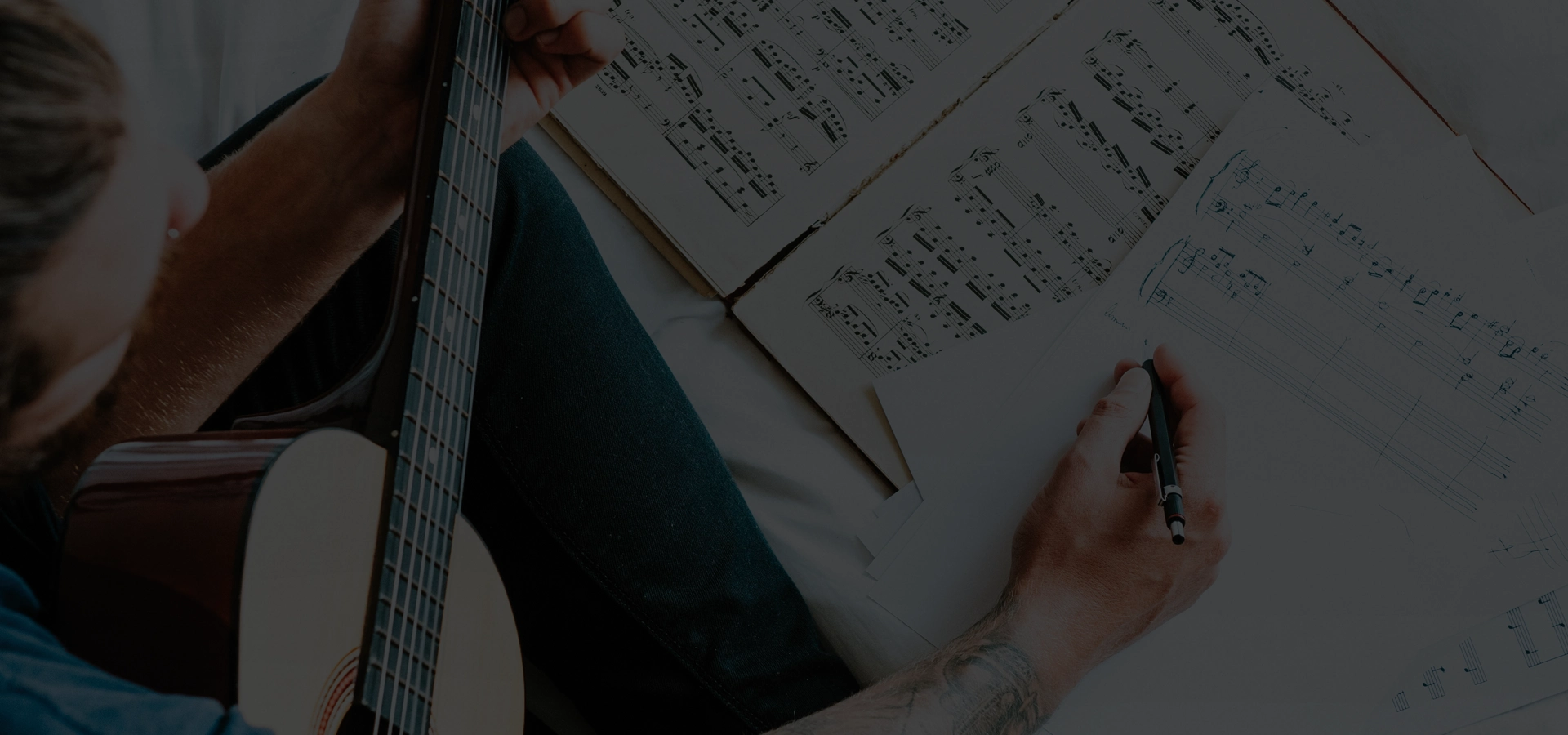
Decoding scores and music notation
Understanding staff notation is essential for artists wishing to read, perform, or compose. Notes, rhythms, dynamics, and symbols indicate precisely how to play a piece, guiding performance and expression. Mastering this language allows for rapid sight-reading, faithful reproduction, and collaboration with ensembles. Careful reading of dynamic markings enriches performance, while familiarity with alternative systems, such as guitar tablature, paves the way for creative and independent learning.